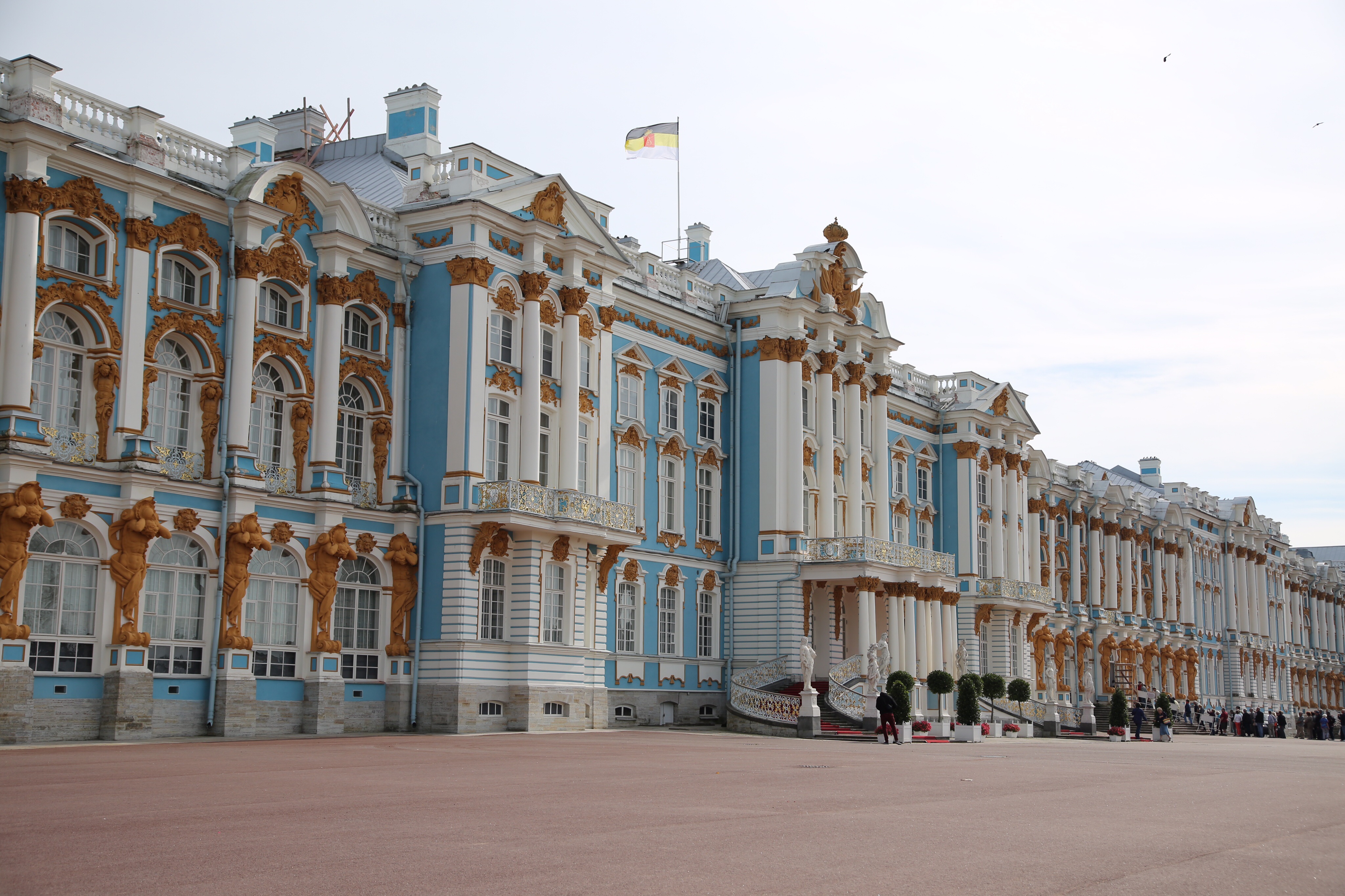
Catherine the Great’s Summer Palace
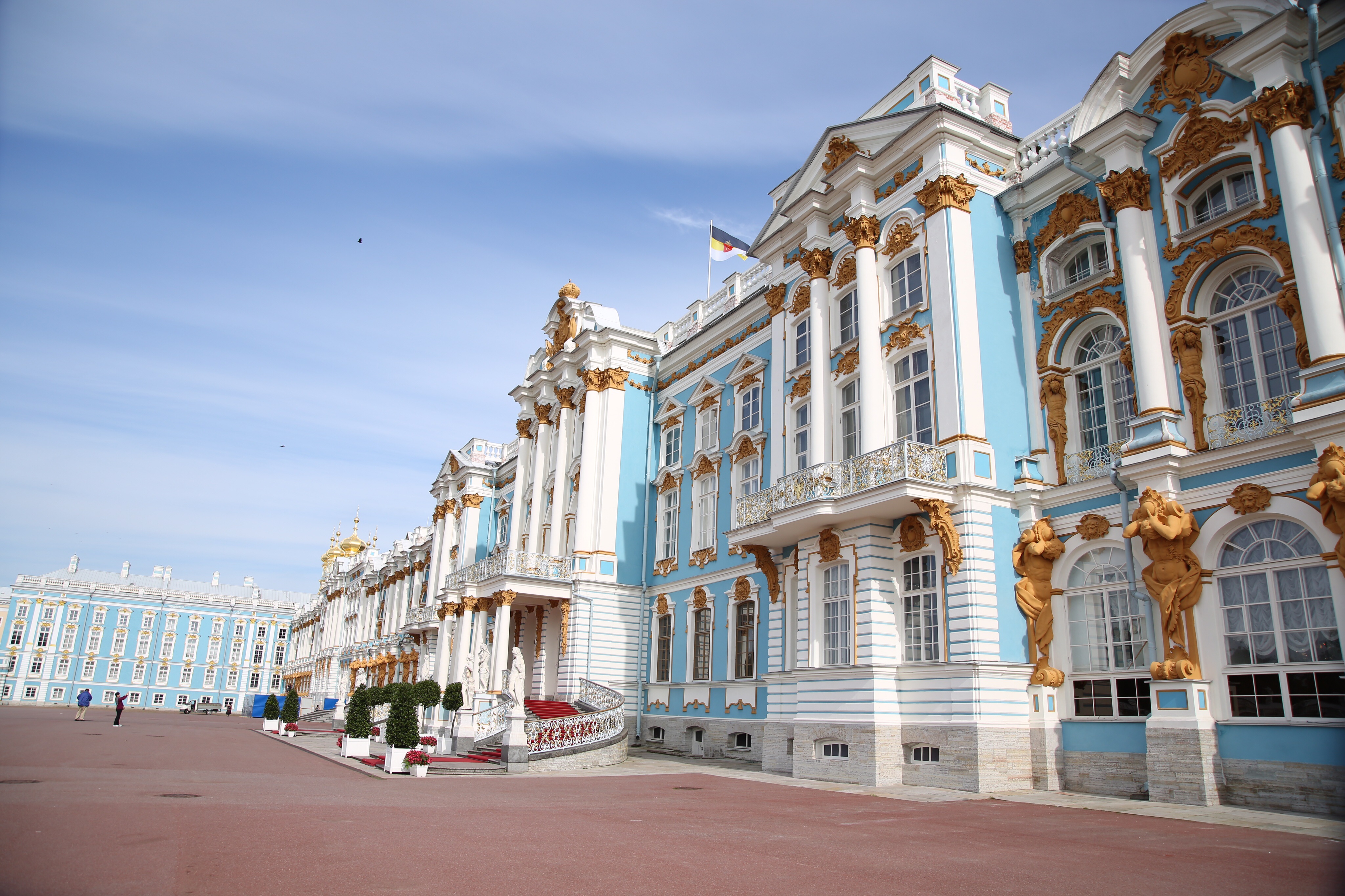
Like a rabid dog allowed to roam the streets, Rastrelli ran amok through the royal treasury as he moulded, painted and gilded the Summer Palace of Catherine the Great. With little sign of restraint, the Italian architect who also shocked and impressed with his extravagant design of the Winter Palace on the banks of the Neva, mauled the royal coffers to produce yet another palatial wonder for the Romanovs.
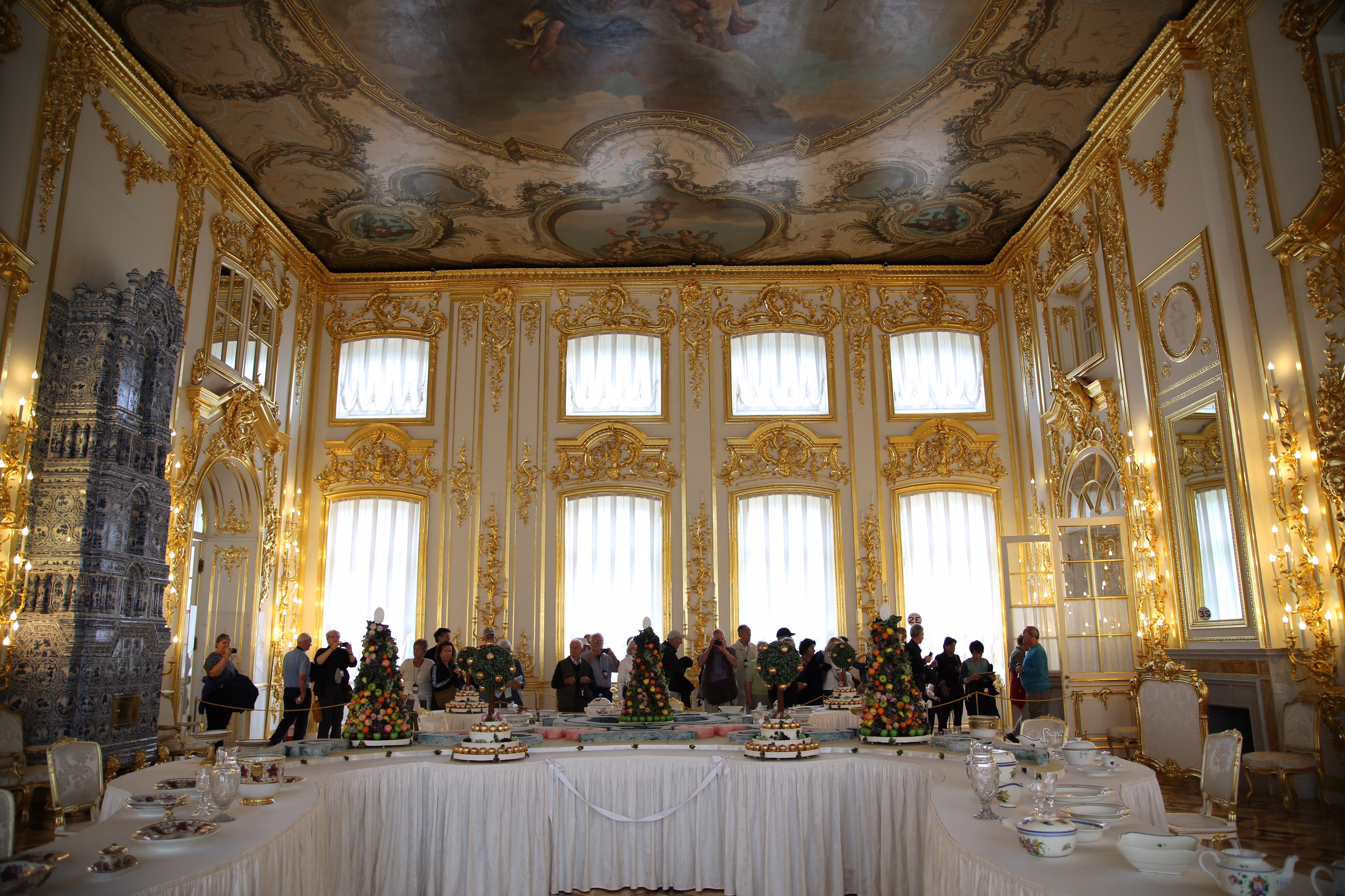
When stucco walls and lavish mouldings did nothing to satiate his appetite for the gilded material, Rastrelli furnished rooms with Baroque pieces splashed with gold and then accessorised with golden statues for good measure. All told, about a hundred kilograms of gold was required to achieve the stunning sculptures in this great residence. His signature gilded embellishment is only more restrained later when he was commissioned to design the Peterhof. There he had the magnificent fountains and gardens to indulge his penchant for gold and he took his liberties particularly with his powerful centrepiece of Samson wrestling the lion.
The Catherine Palace, originally residence of Catherine I in 1717, was designed by German architect Johann-Friedrich Braunstein. Later, Empress Elizabeth, daughter of Peter the Great and Catherine I, considered this summer palace too modest and unfashionable. Elizabeth commissioned her court architect, Bartolommeo Rastrelli (who also designed the Winter Palace) to demolish the old summer residence and replace it with a more profound edifice in the Baroque (Rococo) style. The new summer palace took four years to build, was completed on 30 July 1756 to the awe and stupefaction of many who saw it.
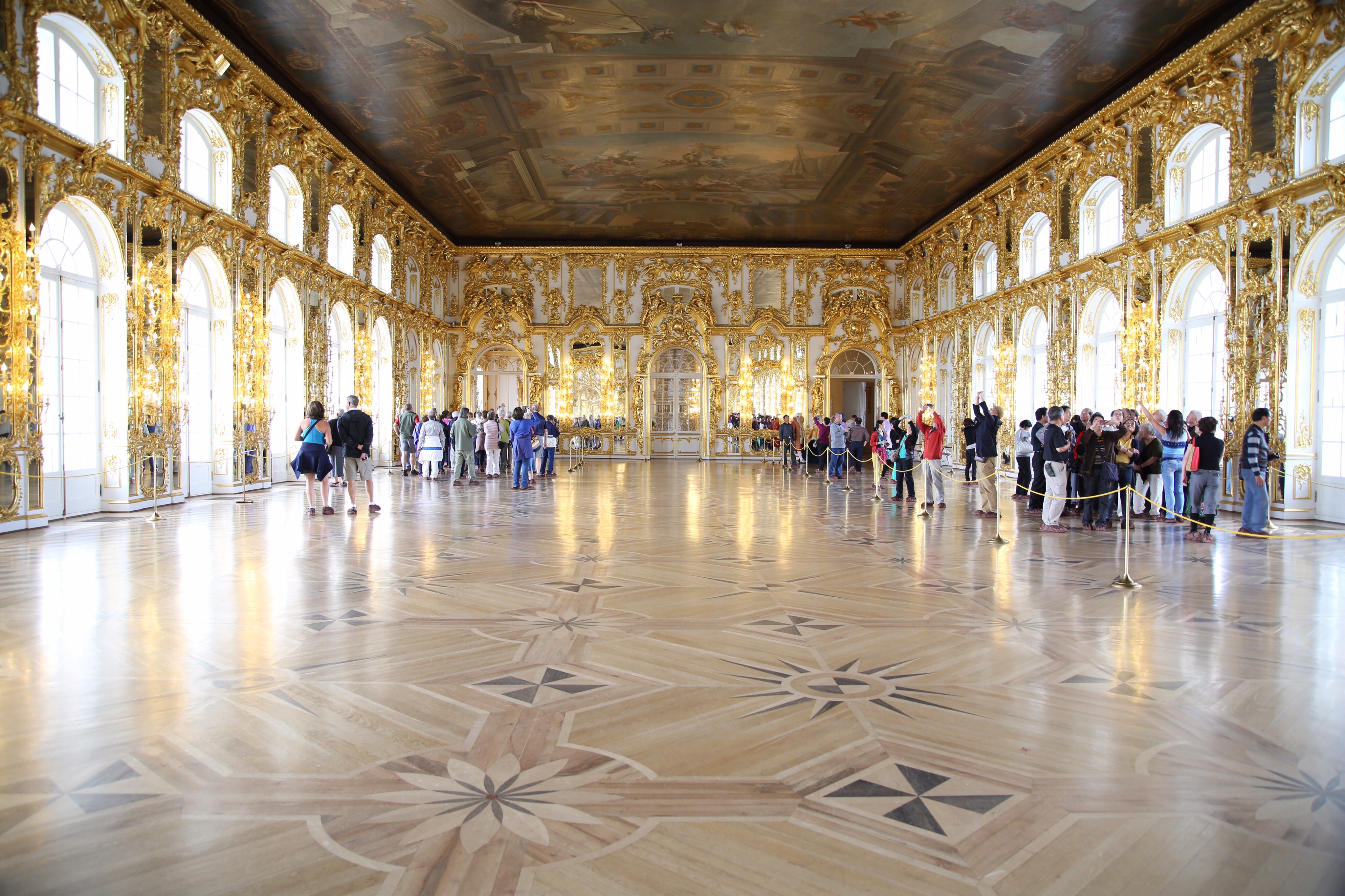
The Grand Ballroom
In fact, Catherine II (Catherine the Great) expressed shock and disapproval of her predecessor’s extreme extravagance and her callous use of state funds for her own indulgences. In her memoir, Catherine the Great noted:
“That house has been pulled down six times to the foundation, then built up again till it was brought to its present state. The sum of a million six hundred thousand rubles was spent on the construction. Accounts exist to prove it; but besides this sum the Empress spent much money out of her own pocket on it, without ever counting.”
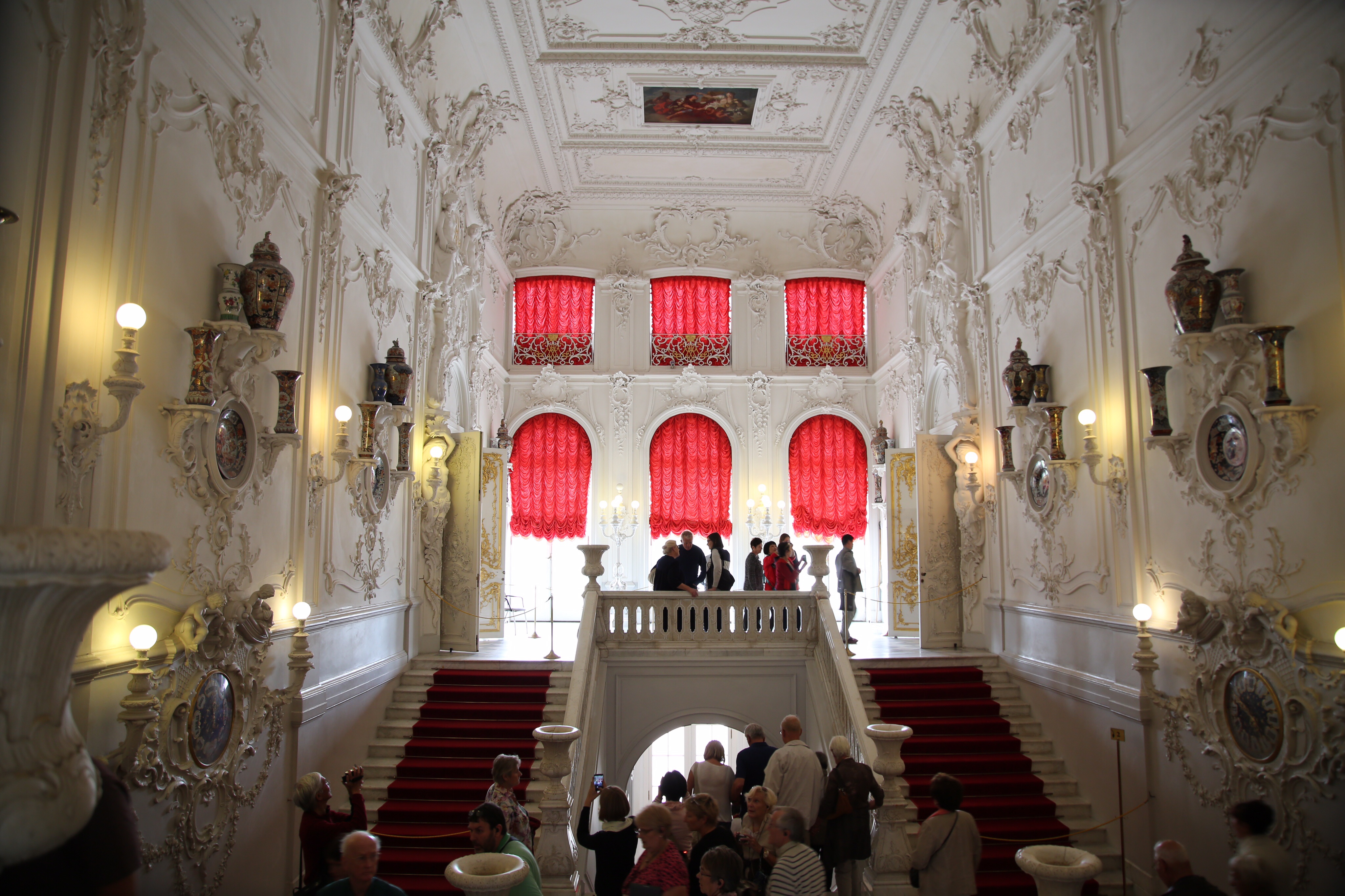
Catherine the Great disliked the “whipped cream” decor her predecessor had indulged.
For all the care and expense invested in the creation of Empress Elizabeth’s palace, Catherine the Great disliked the “whipped cream” decor of this summer palace enough to commission her favourite architect, Scotsman Charles Cameron, to make further alterations. Some of the wings of the palace were refurbished with the Neo-Palladian and Greek Revival styles in vogue at the time.
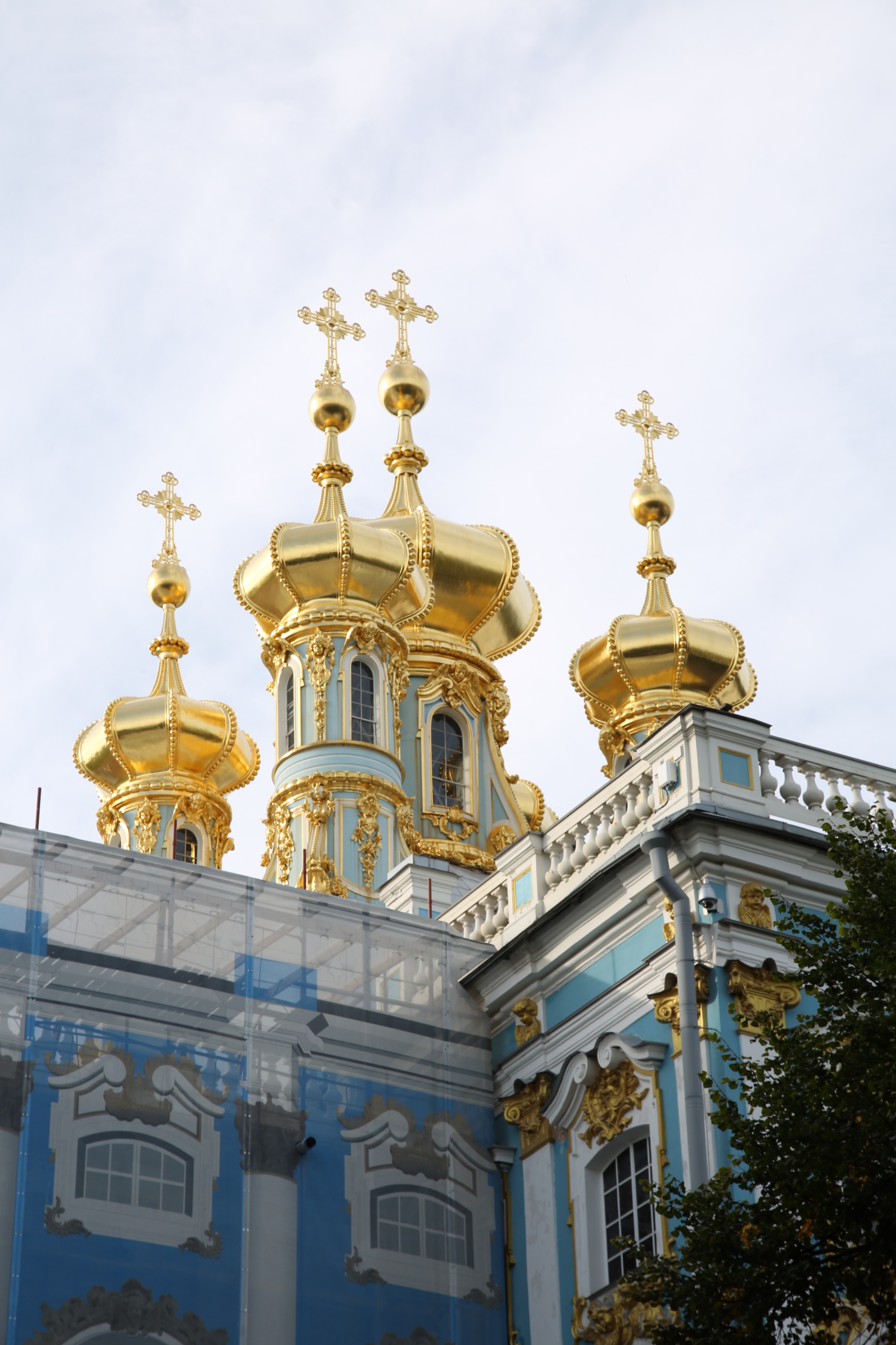
The golden cupola of Catherine’s Summer Palace. As the left wing is still under restoration, a facade of the wall is in place to shield the scaffolding from the public eye.
Sadly, the magnificent palace of Elizabeth and Catherine the Great was almost totally destroyed and left as a hollow shell by the Germans as they exited after the siege of Leningrad at the end of WWII. Thanks to the meticulous records of Russian archivists prior to WWII, we are able to enjoy some of the glory of the Summer Palace which have been painstakingly restored today.


 Take the Yak
Leave a comment